



Joint pain can hold you back. Understanding Cingal and Monovisc injections
A shorter walk. Missing your favourite class. Thinking twice about the stairs.
When joint pain starts changing what you do, it helps to understand the options available. Alongside exercise, rehabilitation and appropriate support, you may have heard about joint injections.
Two names you might come across are Cingal® and Monovisc®. Here’s a brief introduction, with more information on our sister website, Joint Pain Freedom.
What are hyaluronic acid injections?
Hyaluronic acid, often shortened to HA, is naturally present in the fluid inside your joints. It helps that fluid lubricate and cushion the joint during movement.
In an arthritic joint, the cells that produce the natural HA come under attack from in the inflammatory process, breaking down the HA chains and slowing the fresh production into the joint space.
HA injections are used to help manage osteoarthritis symptoms. They are sometimes called viscosupplementation, but you don’t need to remember that word to have a useful conversation with your clinician. They act as a lubricant, and because HA is strongly hydrophilic, it pulls water into the joint, enhancing cushioning. HA injections that are correctly optimised, like Monovisc (and Cingal) support the joint to also produce its own HA again; this gives a longer-lasting effect.
What is Monovisc?
Monovisc is a single-injection hyaluronic acid treatment that contains no steroid.
It is injected into the joint by a qualified healthcare professional to help relieve osteoarthritis pain. Clinical research in knee osteoarthritis has reported benefits over a follow-up period of six months, although the response and duration of relief vary between people, and we know anecdotally it can last much longer. The idea behind HA injections in general is for repeated injections over the years you are managing joint pain.
What is Cingal?
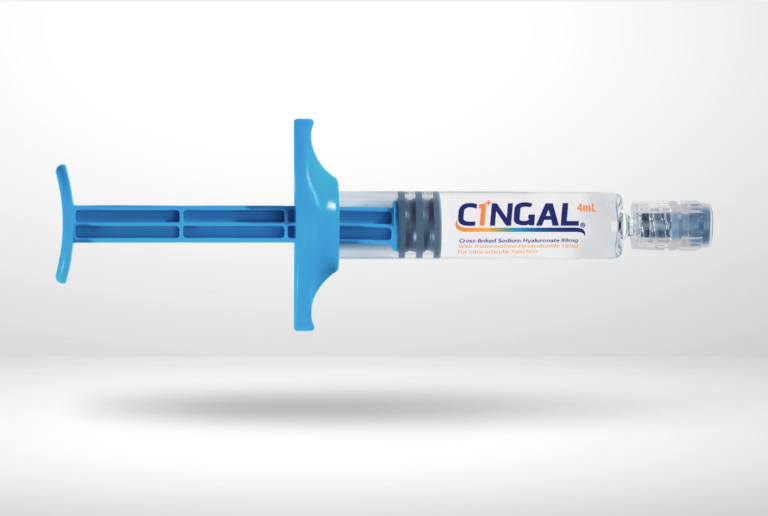
Cingal combines hyaluronic acid and a corticosteroid in one injection.
It contains the same trusted HA formulation used in Monovisc, alongside a steroid called triamcinolone hexacetonide. The steroid component targets inflammation and can provide earlier pain relief (from 48 hours), while the HA component is intended to provide longer-lasting symptom relief.
Your clinician can explain whether either approach is appropriate for your joint, symptoms and medical history.
Think about the whole plan
An injection should come with a conversation about what happens next.
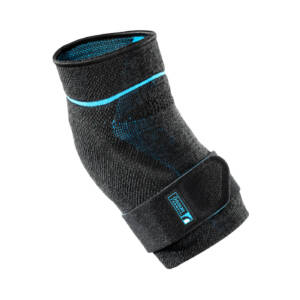
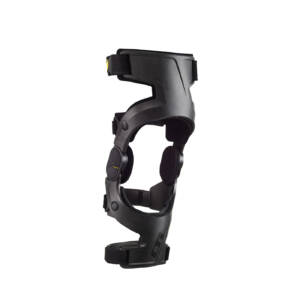
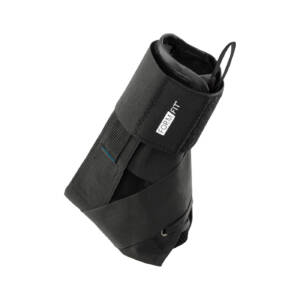
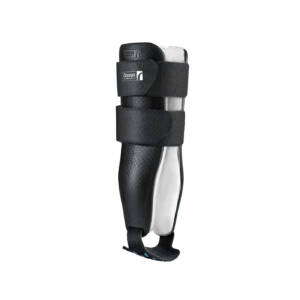
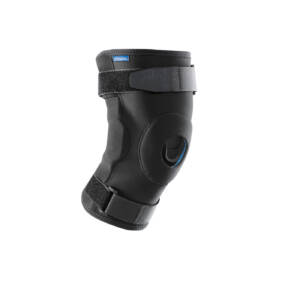
What activities matter to you? What strengthening or rehabilitation would help? Would a support or brace have a useful role? How will you build your activity back up?
Exercise remains a core part of osteoarthritis care. Injections aim to manage symptoms; they do not cure osteoarthritis or replace a rehabilitation plan. Although certain products classed as Hydrogels claim years of relief from one injection, the data is still on a very small number of patients that is funded by the company, in an exploratory manner.
The evidence for HA injections is also debated. They are very safe, though and have been used for over 30 years to manage joint pain. As technology has progressed and become more refined, options like Cingal and Monovisc have shown, in level 1 data, very strong pain relief in high percentages of patients. (Cingal was proven effective within level 1 studies for 92% of patients at 6 months)
Ask your clinician to explain the evidence, alternatives, costs and likely benefits in your circumstances, alongside risks such as temporary pain or swelling and the small risk of infection.
Explore your options with Joint Pain Freedom
Staying Active and Joint Pain Freedom come from the same team, with a shared aim: helping you understand your options and keep doing what matters to you.
Visit Joint Pain Freedom to learn more about Cingal and Monovisc, explore wider joint care information and find a Centre of Excellence clinic to discuss your next steps.
More on the elbow
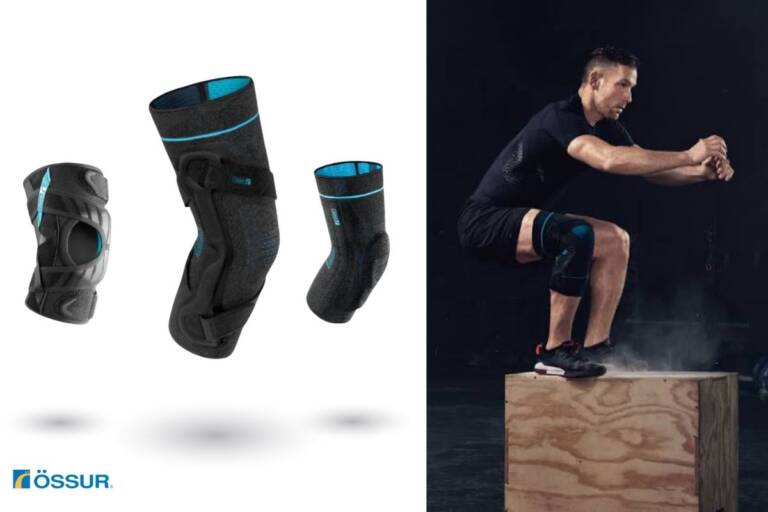
Discover how Össur Formfit supports use compression, breathable fabrics and targeted bracing. Explore options for knee pain, arthritis and active living.

Getting back to activity after persistent knee pain is rarely about doing one thing and immediately returning to normal. For…