







Back to full training: Lauren’s experience with Cingal
Getting back to activity after persistent knee pain is rarely about doing one thing and immediately returning to normal.
For Lauren Jackson, it involved finding an option that reduced the symptoms getting in her way, then gradually rebuilding her training and confidence in the knee.
When your knee is always on your mind
Lauren had undergone two ACL reconstructions and a further operation on the same knee.
She was still trying to train and remain active, but every attempt to return to her normal level was followed by pain and inflammation. It was affecting her own training, her ability to demonstrate movements at work and her confidence in everyday activity.
“Every time I tried to get back to normal activity levels, I would have a lot of inflammation and pain.”
Lauren had previously tried other joint injections, but had not experienced enough improvement to return comfortably to the activities that mattered to her.
Understandably, she was beginning to wonder whether her knee would ever feel capable again.
Discussing another option
Lauren arranged an assessment with Ben Harper, who reviewed her knee, surgical history, current symptoms and the activities she wanted to return to.
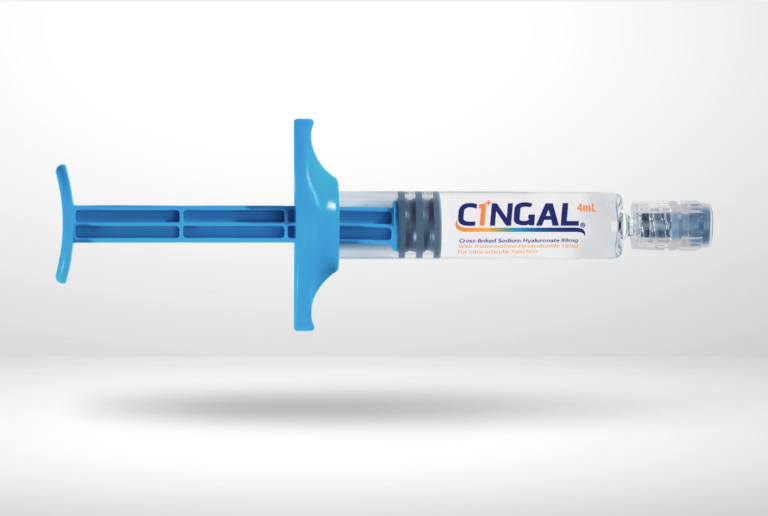
Following that assessment, they discussed Cingal as a possible treatment option.
Cingal is a single joint injection containing two components:
- A corticosteroid called triamcinolone hexacetonide, which is used to address inflammation and provide earlier symptom relief.
- Hyaluronic acid, which is designed to support lubrication, cushioning and movement within the joint for longer-term symptom management.
Before making a decision, Lauren was given an explanation of what the injection contained, what the procedure would involve and what she could reasonably expect afterwards.
Feeling nervous about the injection
Lauren admits that she felt nervous when she arrived for the procedure.
Part of that was about having the injection itself. The bigger concern was allowing herself to believe it might work, only to be disappointed again.
Ben reassessed her knee before proceeding and checked that there were no signs of infection or other reasons not to perform the injection.
Lauren described the procedure as quick and virtually pain-free. Ben then contacted her over the following days to check that everything was progressing as expected.
Noticing a difference
Within the first week, Lauren began to notice an improvement.
She was no longer experiencing the same level of inflammation at the end of a normal day. In the gym, she could move through a greater range without her knee producing the same reaction afterwards.
Rather than rushing straight back into full training, Lauren increased her activity gradually. This gave her time to monitor how the knee responded and rebuild confidence in it.
The injection was not treated as a replacement for sensible training, rehabilitation or load management. It gave Lauren an opportunity to begin doing more of those things with fewer symptoms getting in the way.
Three months later
At the time of sharing her story, Lauren was three months on from her Cingal injection.
She had returned to full training and was no longer avoiding particular exercises because of her knee. She also felt more confident demonstrating movements at work and going about normal daily activities.
“I’m not limited in the exercises I’d like to do. I have a lot more confidence and a lot less stress day to day.”
For Lauren, the biggest difference was not simply a reduction in pain.
It was being able to train, work and live her normal life without constantly having to think about how her knee might react.
The aim is to help you move forward
Joint injections are not intended to replace strength work, rehabilitation or a wider plan for managing knee symptoms.
For the right person, however, reducing pain and inflammation may create an opportunity to move more comfortably, rebuild strength and return gradually to important activities.
Lauren’s experience is personal to her. Results vary, and Cingal will not be appropriate for every knee or every patient.
If knee pain is preventing you from training, working or doing normal daily activities, the right starting point is a proper assessment. A qualified clinician can help you understand what may be causing your symptoms and discuss the different treatment, rehabilitation and support options available.
This article shares one patient’s individual experience. It does not guarantee that another person will experience the same result and should not replace personal medical advice.
Finding the support that helps you go again
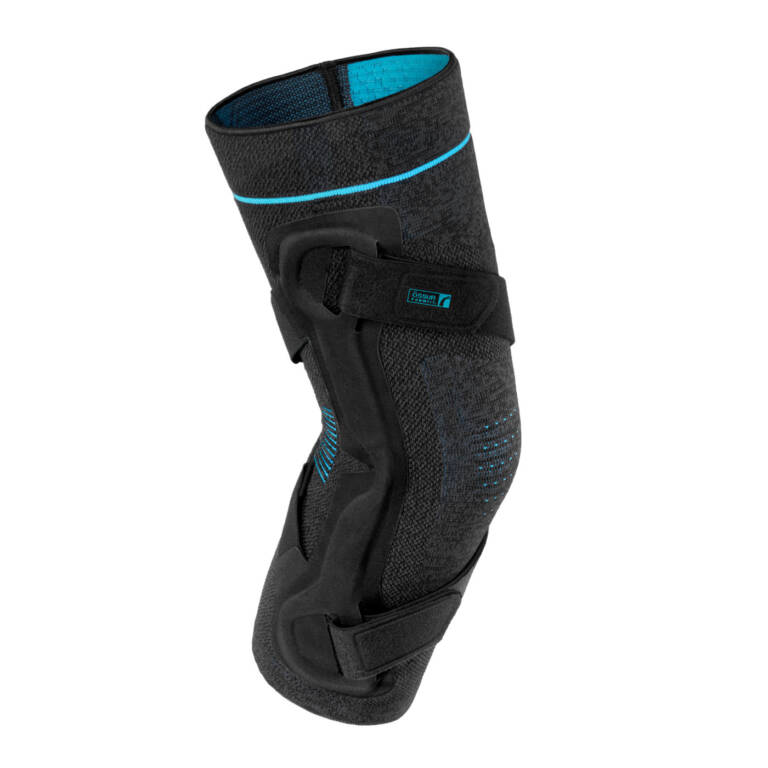
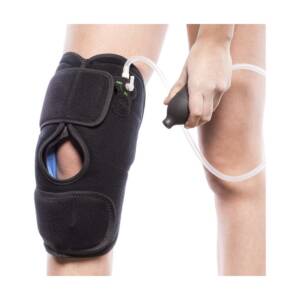
Getting back to activity can involve several different things. That might include rehabilitation, gradually rebuilding strength, managing training load, using an appropriate knee support or discussing injection treatment with a qualified clinician.
The right combination will depend on your knee, your symptoms and what you are trying to return to.
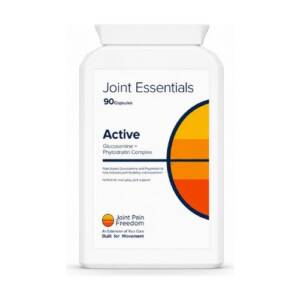
For more detailed patient information about Cingal and other joint injection options, visit Joint Pain Freedom.
Learn more about Cingal at Joint Pain Freedom
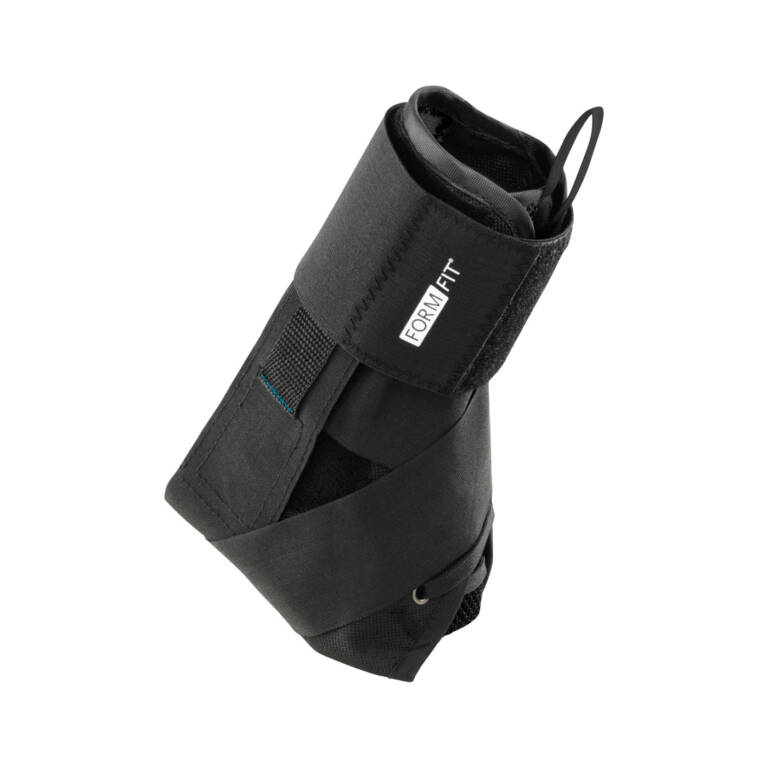
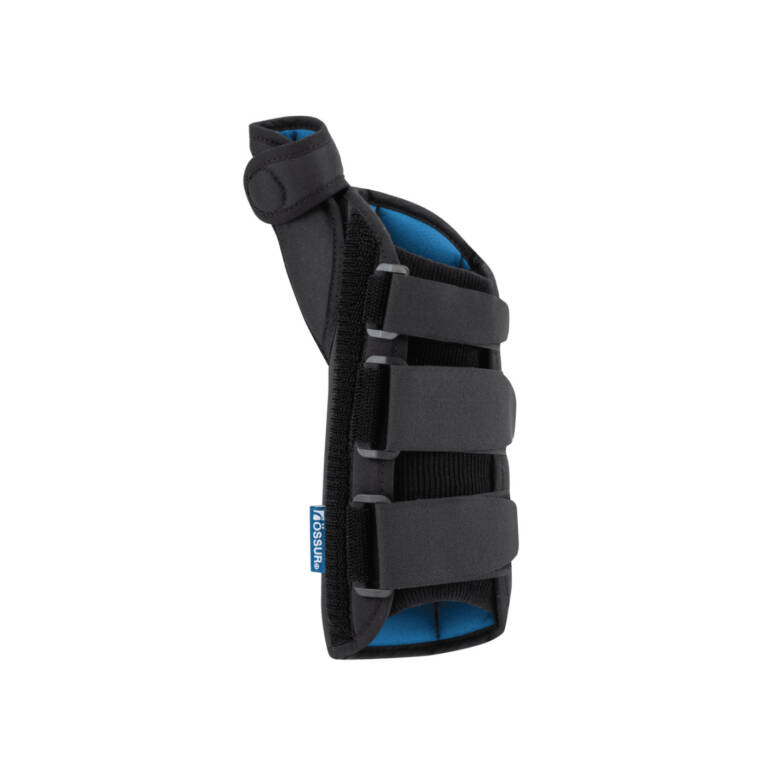
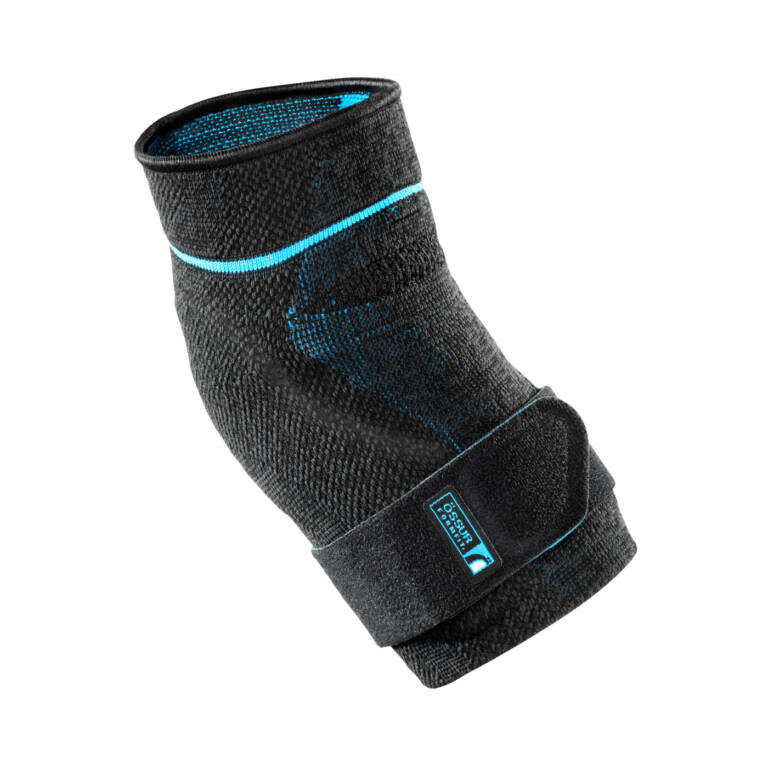
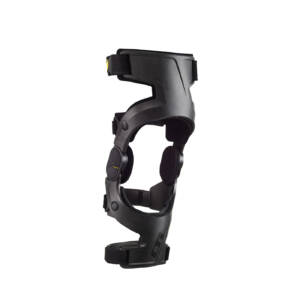
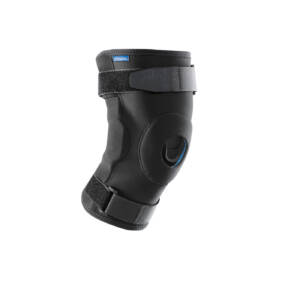
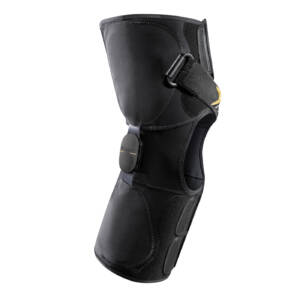
If additional support could help you remain active, you can also explore our range of clinically recognised knee supports and braces across the Staying Active website
More on the knee
A shorter walk. Missing your favourite class. Thinking twice about the stairs.
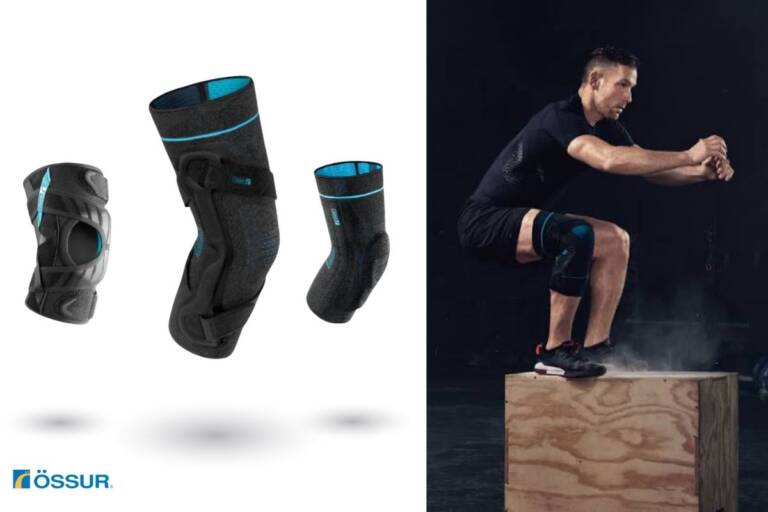
Discover how Össur Formfit supports use compression, breathable fabrics and targeted bracing. Explore options for knee pain, arthritis and active living.