



Compression sleeves for knee pain: buy the support, not the sales pitch
A sore knee. An Instagram advert. Thousands of glowing reviews. A sleeve promising to get you moving pain-free again.

It is an easy purchase to make when you just want something that helps, and you are struggling – compression sleeves for knee pain
But what are you actually buying? Who makes it? What is it designed to do? And how do you know it will fit?
At Staying Active, we think those questions deserve more attention than the discount countdown.
Compression sleeves can have a useful place in managing joint symptoms. Understanding their purpose and their limitations helps you choose with more confidence.
What does a compression sleeve actually do?
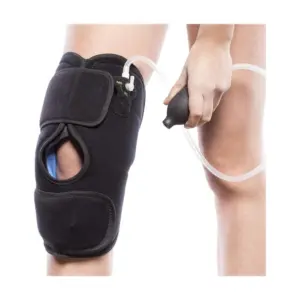
A compression sleeve applies pressure around the area it covers. A soft knee support may help some people feel more comfortable and confident during movement.
There is clinical research behind this type of support. A study involving 44 people with knee osteoarthritis and a feeling of instability found that wearing a soft knee brace produced immediate improvements in pain, perceived stability and confidence during walking tests.
That is encouraging, but it was a single-session study. It does not prove lasting benefits, and it does not mean every sleeve advertised online will produce the same results.
A compression sleeve is a support, not a cure for the cause of your joint pain.
Be cautious of any advert that turns symptom relief into a promise to rebuild cartilage, reverse arthritis or permanently fix an injury. If something is of good enough quality, it is there to get you through, reduce pain, potentially swelling and allow a continuation of your chosen activity.
A tight sleeve is not automatically a good sleeve
“Compression” can sound reassuring. But the word alone tells you very little about a product.
You still need to know what the sleeve is intended for, how to choose the right size and what information the manufacturer provides about its compression.
A product that simply feels tight is not necessarily providing the support you need. Equally, stronger compression is not automatically better.
Look for:
- An identifiable manufacturer.
- Clear intended uses and limitations.
- A measurement-based size guide.
- Fitting and care instructions.
- Specific information supporting any “medical-grade compression” claim.
- Someone you can contact if the product does not fit properly.
If the seller can explain the flash sale in detail but barely explains the product, pause before buying.
Why fit matters more than the photograph
A sleeve can look excellent on a model standing still. Your knee has to walk, bend, climb stairs and sit down.
If it slides down, bunches behind the knee or rolls into a tight band, it needs reassessing. Do not assume that buying a smaller size will solve the problem.
Use the size guide for the exact product you are buying. A medium in one range may not be a medium in another.
Comfort also matters. A support that irritates your skin or feels unpleasant is unlikely to become something you use consistently.
Stop using an everyday sleeve and seek advice if it causes new numbness, tingling, increased swelling or changes in skin colour. These are reasons to check the fit and suitability, not signs that the compression is “working harder”.
What to watch for in Amazon and Instagram adverts
There are reputable products sold through online marketplaces and social media. The platform itself does not establish quality.
The useful question is what sits behind the listing.
Big promises with very little explanation
A product claiming to solve arthritis, ligament injuries, tendon problems and every other cause of knee pain should explain how, and provide evidence relevant to those claims.
Reviews presented as clinical proof
Reviews can tell you about delivery, comfort and someone’s personal experience. They cannot establish that a device treats your condition.
Research about something else
A study on a specialist arthritis brace does not prove that a basic elastic sleeve works in the same way. Research should be relevant to the actual product or technology and the condition being discussed.
Branding without a clear manufacturer
A polished website and an impressive product name are easy to notice. Manufacturer details, instructions and useful technical information deserve equal attention.
A discount doing all the convincing
Cheap does not automatically mean poor quality. Expensive does not automatically mean effective. Judge the product before judging the saving.
A compression sleeve and a knee brace do different jobs
These terms are often used interchangeably in adverts, which can make choosing difficult.
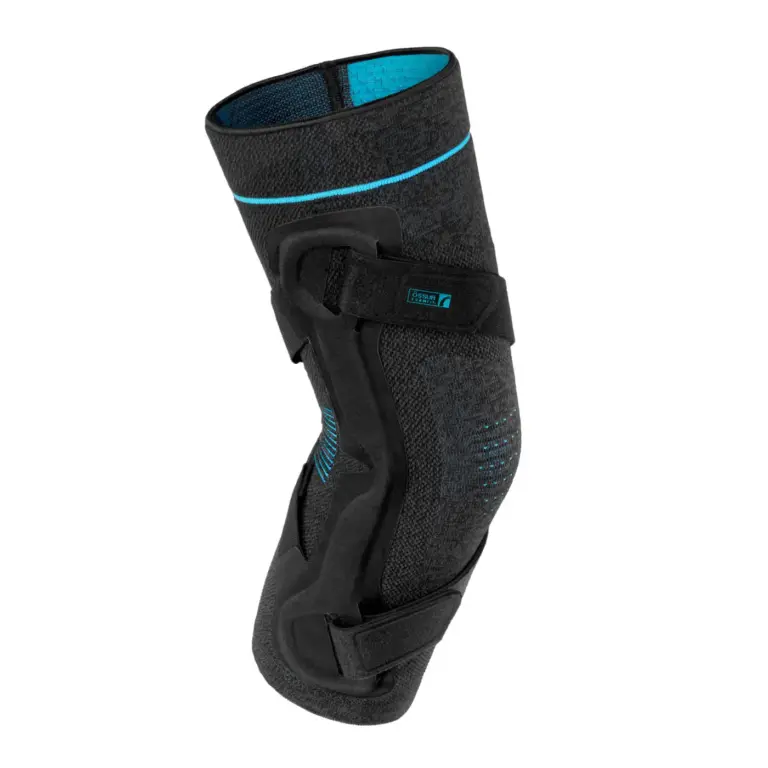
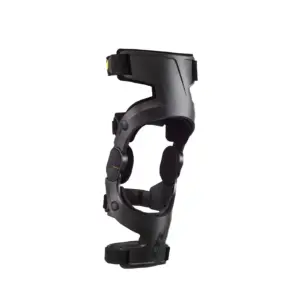
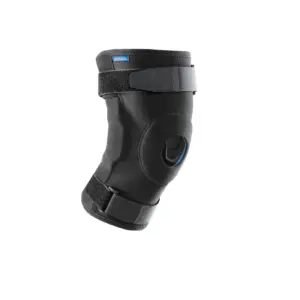
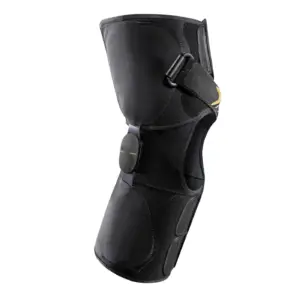
A soft sleeve may offer compression and a feeling of support. A hinged brace can provide additional mechanical support. An unloading brace is designed to redistribute load away from an affected part of an arthritic knee.
Össur’s Unloader range, for example, uses a specific leverage system to reduce loading on the affected side. An ordinary compression sleeve should not be assumed to do that job.
The best knee support for you depends on what your knee needs. Persistent pain or repeated giving way deserves an assessment, rather than another guess at the checkout.
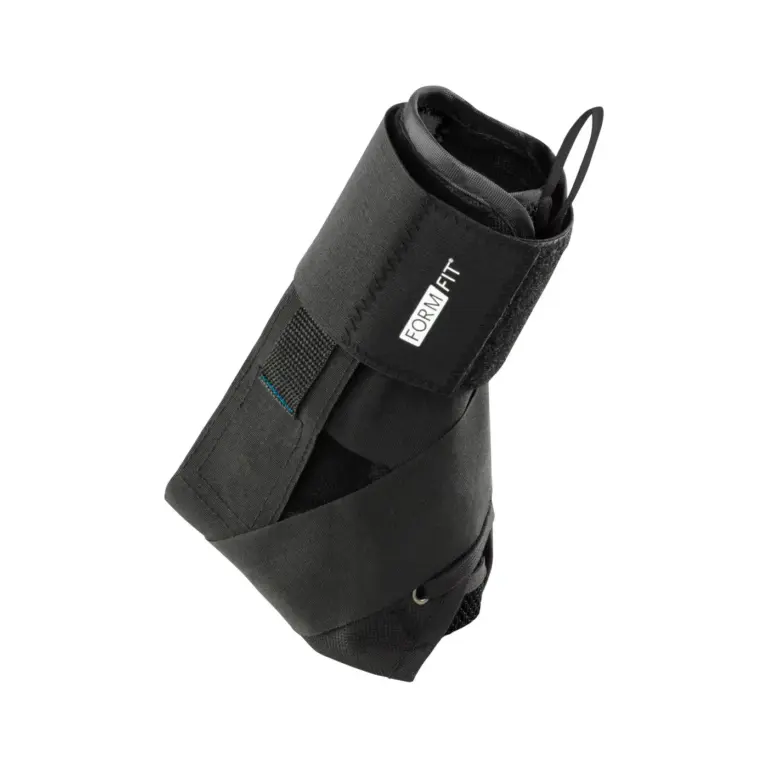
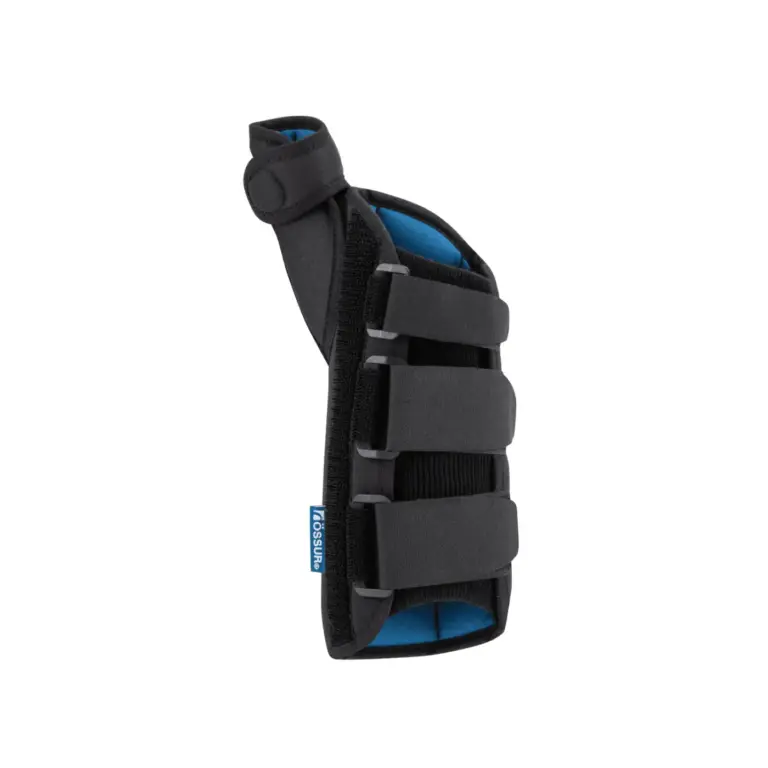
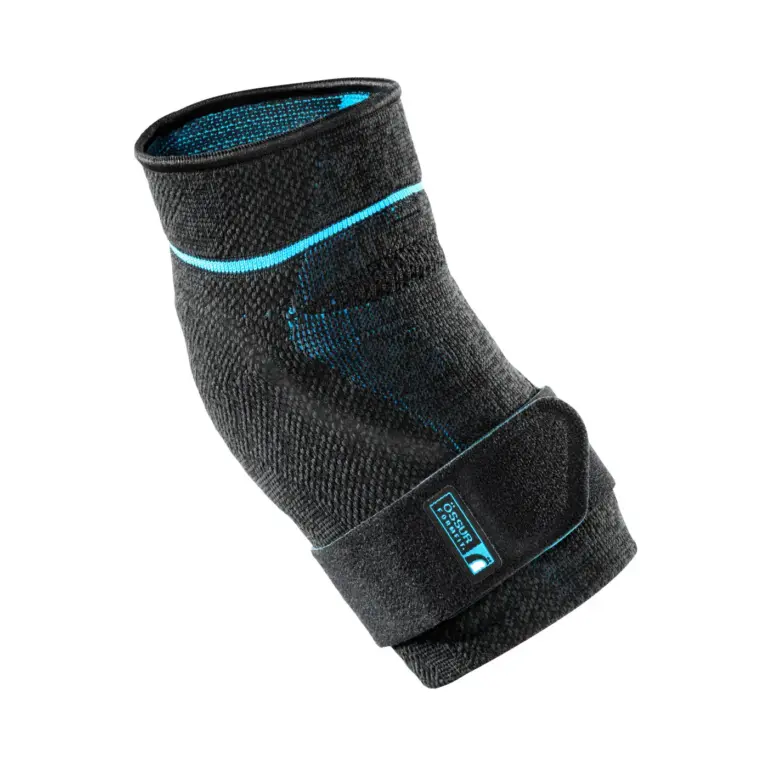
Why we choose to only work with Össur, and the Formfit compression range.
At Staying Active, we stock Össur because we want to offer products with a clear purpose and an identifiable medical manufacturer behind them.
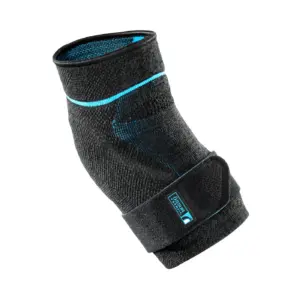
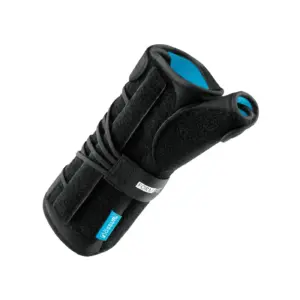
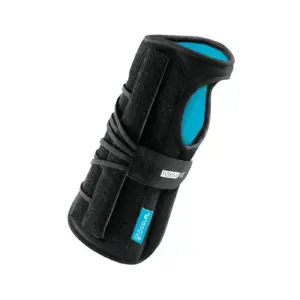
Össur describes its Formfit Pro range as providing medical-grade compression through its engineered 3D knit. Depending on the model, the range includes features for targeted cushioning, additional support, breathability and a secure fit.
Those details have practical value. How a sleeve fits, handles heat and feels during movement matters when you intend to wear it beyond the first five minutes.
Össur also publishes information about independent testing of Formfit Pro materials for breathability and moisture management. That is evidence about fabric performance, which should be distinguished from evidence of better pain relief.
There is a wider clinical background too. Össur’s range includes specialist braces such as Unloader One, which is a preferred option, available through the NHS and within private hospitals. That connection is important, with leading expertise trickling down from the very top-end bracing to the soft Formfit compression options. Quality throughout the Össur range is assured.
For us, buying with confidence means knowing who made the product, why it exists and how to choose it properly.
What about other joint pain management devices?
Apply the same questions to heated knee wraps, vibrating massagers and electrical devices advertised for joint pain.
What is the device intended to do? Is the claim temporary comfort or treatment of a condition? Is there published evidence relevant to that use?
More settings and more technology do not automatically mean more benefit.
For osteoarthritis specifically, NICE advises against offering several electrotherapies, including TENS and therapeutic ultrasound, because there is insufficient evidence of benefit. A convincing demonstration video does not resolve that evidence gap.
Support should be part of your plan
For osteoarthritis, exercise tailored to your needs remains a core treatment. A sleeve or brace may have a supporting role, but it should not replace building strength and maintaining appropriate activity.
That is why choosing the right type of support matters more than choosing the most heavily advertised one.
Explore the Össur supports at Staying Active. Check the product guidance and measure carefully. You can also read more on our education site, Joint Pain Freedom, with a page dedicated to understanding compression. – Joint Pain Freedom – Compression
More on the knee
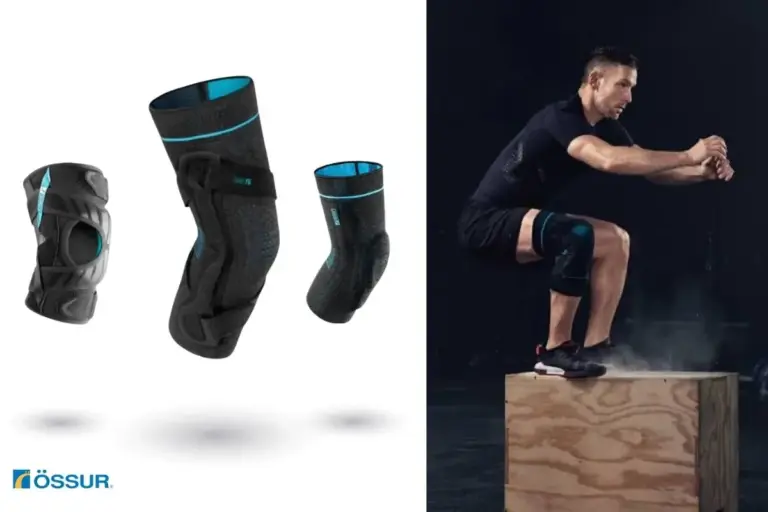
Discover how Össur Formfit supports use compression, breathable fabrics and targeted bracing. Explore options for knee pain, arthritis and active living.

Getting back to activity after persistent knee pain is rarely about doing one thing and immediately returning to normal. For…
A shorter walk. Missing your favourite class. Thinking twice about the stairs.